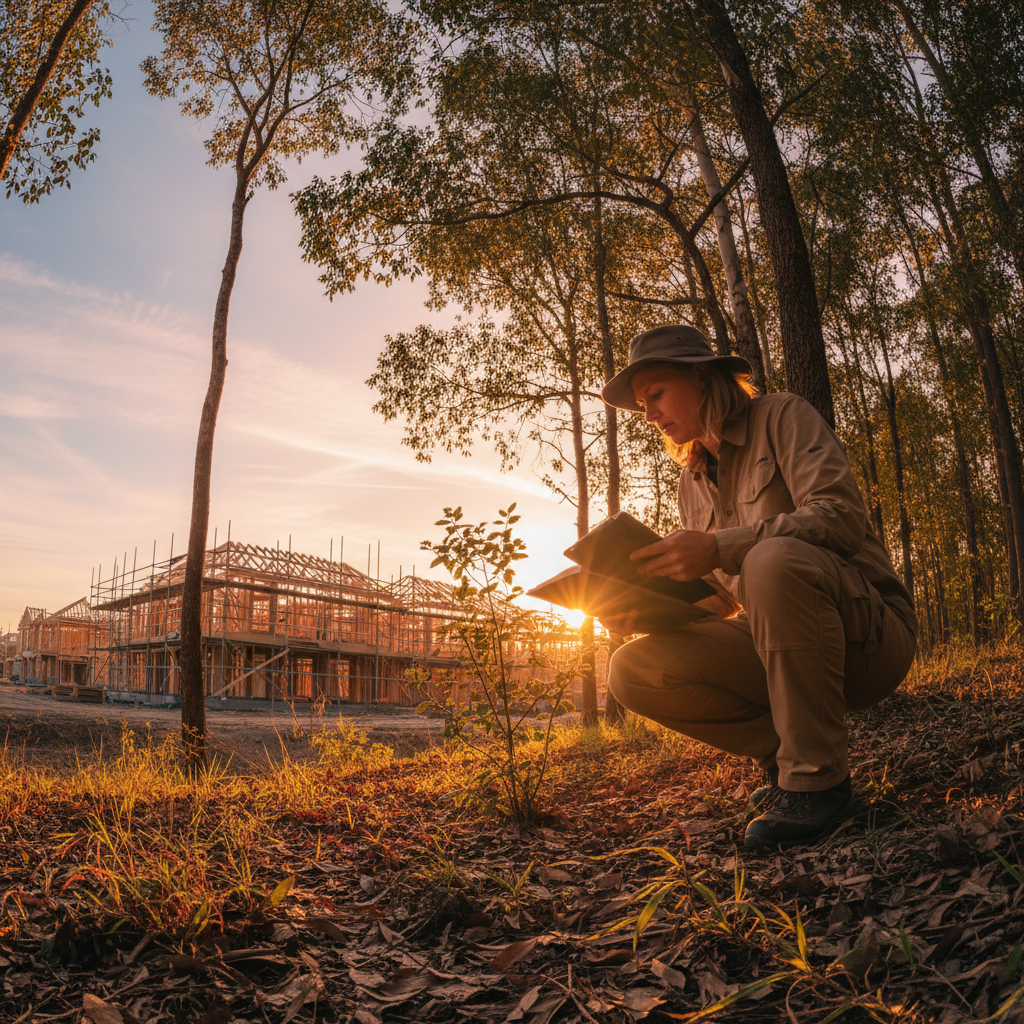
Transect Ecology Ltd · TQ 801 573
Phase 1 Habitat Survey · Survey Season 2026
The ReportThat Movesthe PlanningCommittee.
Protected species data, habitat assessments, and planning-grade ecological reports — delivered by ecologists who understand what local authority committees actually need to see.
Regulated by CIEEM · All surveyors licensed by Natural England
Case Study · Hartley Farm Barn, Shropshire
SJ 512 348 · Survey Season: May–September 2024
Roosting Bats
Grade II listed barn conversion — 14 units
Outcome
Approved at Committee
Shropshire Council · November 2024
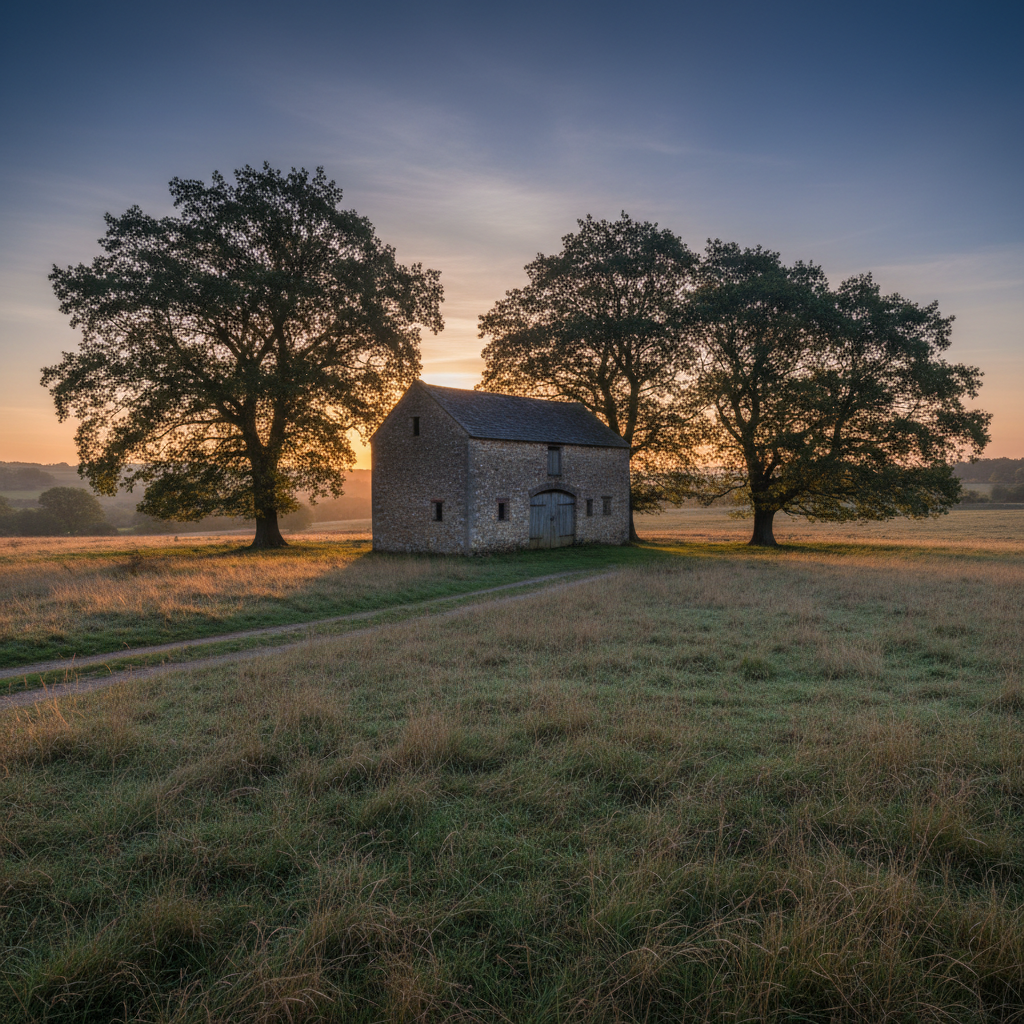
A Grade II listed stone barn complex, three buildings set around a central yard, surrounded by mature oak woodland on the northern and eastern margins. The application sought conversion to 14 residential units with a new-build coach house. The barn had been vacant for 11 years.
The structural survey identified 23 potential roost features across the three barns.
A Phase 1 Habitat Survey mapped the yard, gardens, and 50m buffer in April 2024. The results flagged the oak woodland as moderate-to-high suitability bat foraging habitat and identified two potential dormouse hazel coppice patches to the east. The adjacent farm pond was assessed as a potential great crested newt breeding site and referred for eDNA sampling.
Six emergence and re-entry surveys between May and August 2024 confirmed three bat species roosting in the main barn: a maternity roost of 47 common pipistrelles behind the sandstone kneeler stones, a small brown long-eared roost in the roof void, and a single soprano pipistrelle in the south gable. The eDNA survey returned a negative result for great crested newt.
Three licensed bat roosts requiring full mitigation strategy under the Habitats Regulations 2017.
Working with the architect, we redesigned the roof void of the main barn to retain a 400mm bat loft running the full ridge length, accessed via purpose-built bat access tiles. Kneeler stones were retained in situ with a structural engineer confirming load-bearing capacity. The maternity roost was scheduled for an exclusion window between September 15 and March 1 annually, with bat boxes installed in the oak trees as supplementary roost provision.
Shropshire Council granted full planning permission and listed building consent at committee — the first time in four years that a bat-constrained barn conversion in the authority had proceeded without a public inquiry.
Planning permission granted. No public inquiry. Decision in 14 weeks.
Conditions attached
3
Ecological conditions
Case Study · Fenwick Meadows Solar Farm, Lincolnshire
TF 228 461 · Survey Season: March–June 2024
Great Crested Newt Corridor
49.5 MW solar farm — 87 hectares
Outcome
Approved — First Determination
Lincolnshire County Council · September 2024
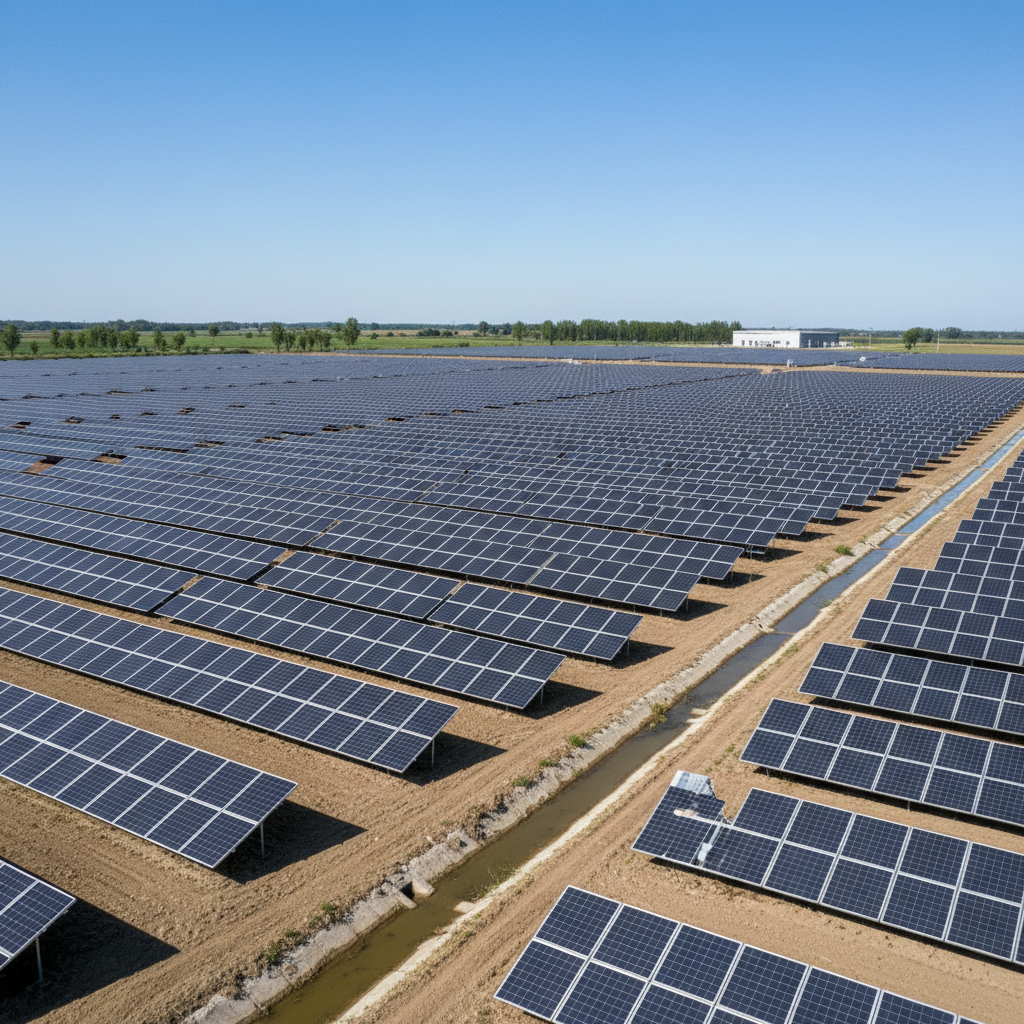
An 87-hectare arable field complex in the Lincolnshire Fens, proposed for a 49.5 MW ground-mounted solar installation. The site sits within a great crested newt District Level Licensing (DLL) zone, with 14 ponds within 500m. The pre-application desk study had returned a Habitat Suitability Index score of 0.72 — high suitability across the majority of the site.
HSI 0.72 across 61 of 87 hectares — a newt corridor bisecting the panel array.
Phase 1 mapping revealed a network of interconnected ditches, hedgerows, and set-aside grassland strips forming a continuous terrestrial corridor between the northern and southern pond clusters. The Phase 2 eDNA surveys of all 14 ponds in March 2024 returned positive results for great crested newt DNA in six ponds. Torch survey and egg searches in April confirmed breeding populations in four ponds.
Population size class modelling estimated the combined metapopulation at 250–500 individuals, placing it in the medium-large size class. The terrestrial habitat assessment confirmed the ditch network as the primary dispersal corridor, with the proposed panel layout severing connectivity between the northern breeding ponds and the southern hibernation habitat in the field margins.
Medium-large GCN metapopulation — Habitats Regulations Assessment required.
We worked with the solar developer to redesign the array layout, rotating the panel rows to run parallel with the ditch corridor rather than perpendicular. A 12m wildlife corridor was maintained through the centre of the site, with hibernation habitat created as a series of log pile and rubble refugia at 30m intervals. The site entered the Lincolnshire DLL scheme, with a Strategic Mitigation Payment funding off-site pond creation.
Lincolnshire County Council approved the application at the first determination attempt. The Habitats Regulations Assessment concluded no adverse effect on site integrity. The DLL licence was issued within 6 weeks of planning consent.
Approved at first determination. HRA concluded no AEOI. DLL licence in 6 weeks.
Conditions attached
3
Ecological conditions
Case Study · Brindley Heath, South Staffordshire
SO 888 102 · Survey Season: 2022–2024
Full EIA — SSSI Buffer Zone
200-unit housing scheme — 11.4 ha within SSSI 1km buffer
Outcome
Permission Granted — S106 Agreement
South Staffordshire District Council · March 2025
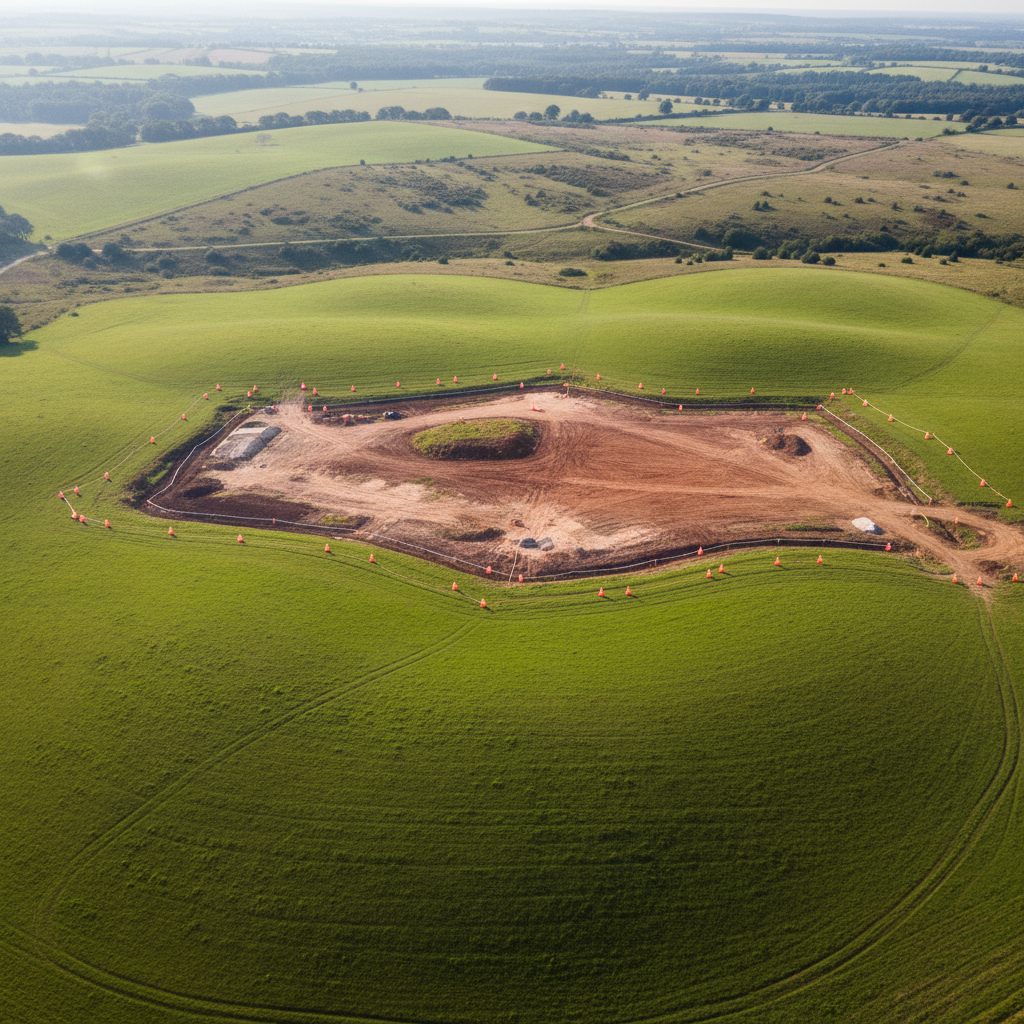
An 11.4-hectare greenfield site allocated in the South Staffordshire Local Plan for 200 dwellings. The site's eastern boundary sits 340m from Cannock Chase SSSI, a Special Area of Conservation designated for its lowland heath, nightjar, and woodlark populations. Natural England had issued a formal objection at pre-application stage citing recreational pressure and dust deposition.
Natural England formal objection — SSSI and SAC within 1km. Full EIA and HRA required.
A two-year baseline survey programme was designed to satisfy the EIA Regulations 2017. Phase 1 Habitat Survey in spring 2022 identified 2.3ha of semi-improved grassland with notable species assemblage, a veteran oak line along the northern boundary, and 1.1ha of scrub with potential dormouse habitat. Targeted surveys were commissioned for all Annex II species with potential presence within the site and 500m buffer.
The two-year survey programme recorded: dormouse presence confirmed by hazel nut analysis and hair tubes in the scrub; badger main sett with 11 active holes in the northern oak line; otter field signs on the adjacent brook; and a single nightjar territory recorded 420m east of the site boundary during the 2023 season. NVC surveys classified the grassland as MG6 Lolium perenne–Cynosurus cristatus grassland — no priority habitat designation, but supporting a notable invertebrate assemblage.
Four protected species, one Annex II species, SSSI/SAC within 1km — the most complex constraint profile we've resolved in South Staffordshire.
The Environmental Statement Biodiversity Chapter proposed: a 1.2ha badger mitigation area with new main sett construction; dormouse translocation to a receptor site 800m north with a 10-year monitoring programme; a 30m otter buffer along the brook corridor; and a Suitable Alternative Natural Greenspace (SANG) of 3.8ha within the development to absorb recreational pressure from Cannock Chase. The SANG design incorporated heathland restoration planting to provide ecological continuity.
South Staffordshire District Council resolved to grant planning permission, subject to S106 agreement, in March 2025. The Habitats Regulations Assessment concluded no adverse effect on the integrity of Cannock Chase SAC. Natural England withdrew their objection following the SANG proposal. The decision was described by the planning officer as "the most thoroughly evidenced ecological submission this authority has received for a residential application of this scale."
Permission granted March 2025. Natural England objection withdrawn. S106 SANG secured.
Conditions attached
4
Ecological conditions
Survey Disciplines
What we do in the field,
and on the page.
Every survey methodology selected to the minimum standard required — no over-scoping, no unnecessary cost to your programme.
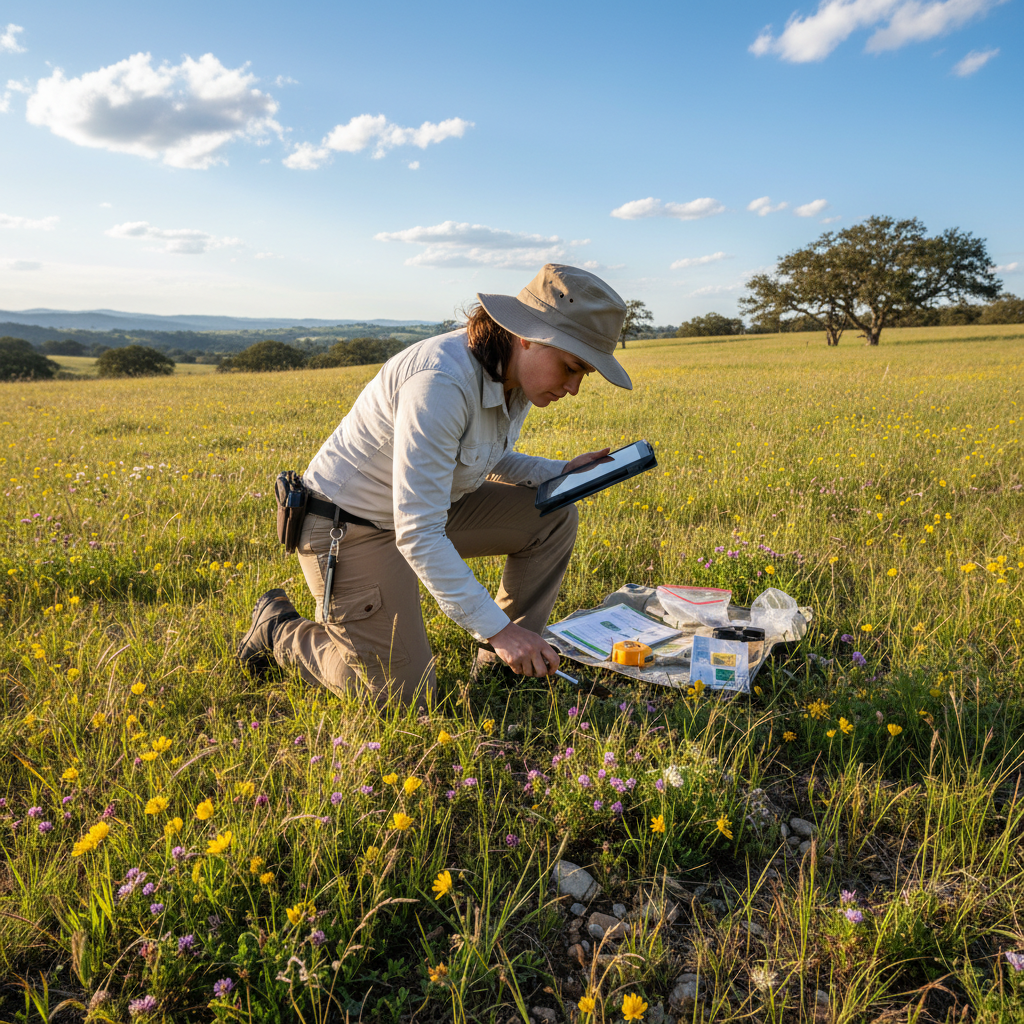
Phase 1 Habitat Survey
NVC · JNCC methodology · 1:2500 mappingWalkover surveys producing extended Phase 1 habitat maps, target note records, and a preliminary ecological appraisal (PEA) identifying all Habitats of Principal Importance and flagging Phase 2 triggers.

Bat Survey Programme
Static detector arrays · Transect · Emergence/re-entryFull survey programmes to Natural England Bat Conservation Trust Good Practice Guidelines 4th edition. Emergence and re-entry surveys, static detector deployment, transect surveys, and roost characterisation for mitigation licence applications.
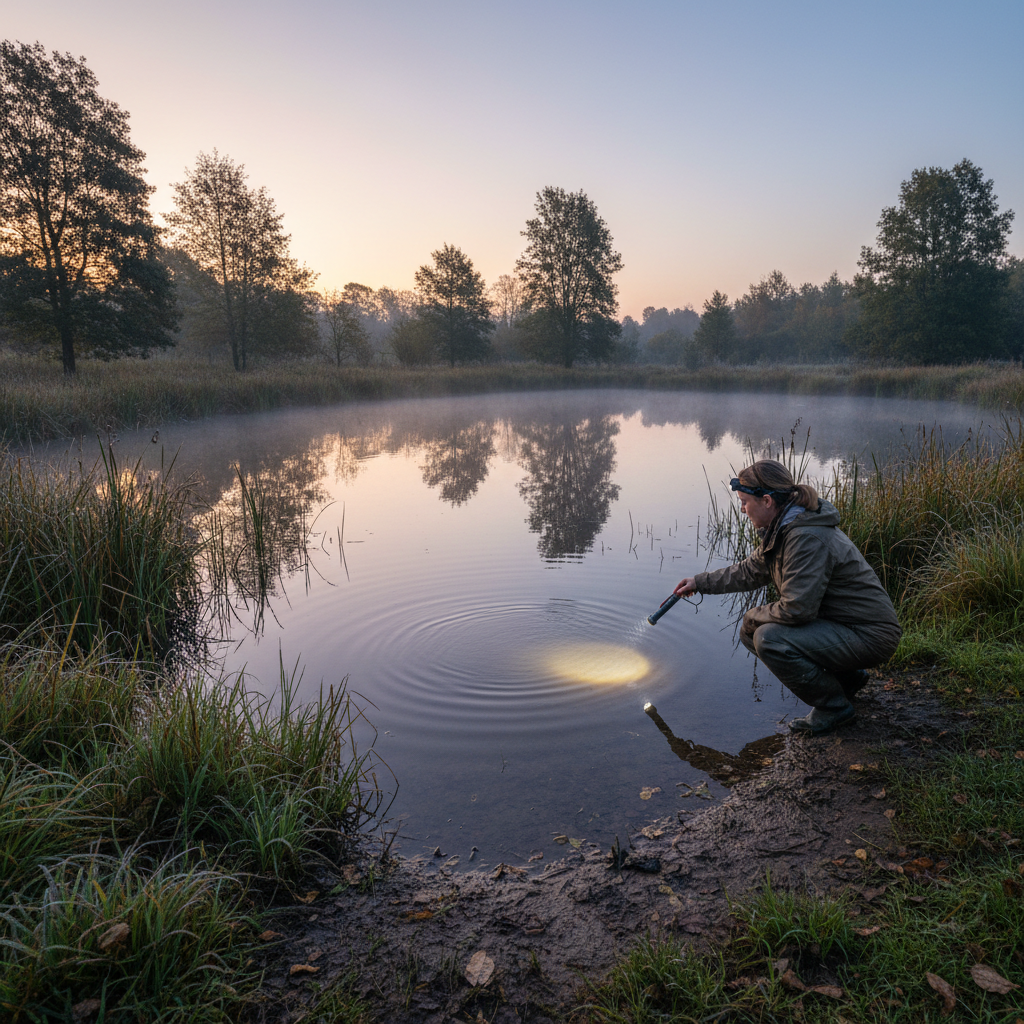
Great Crested Newt Surveys
eDNA · Torch · Egg search · Bottle trappingFull suite of Phase 2 GCN surveys including eDNA sampling, torch surveys, egg searches, and bottle trapping to determine population size class and inform DLL scheme enrolment or individual mitigation licence applications.
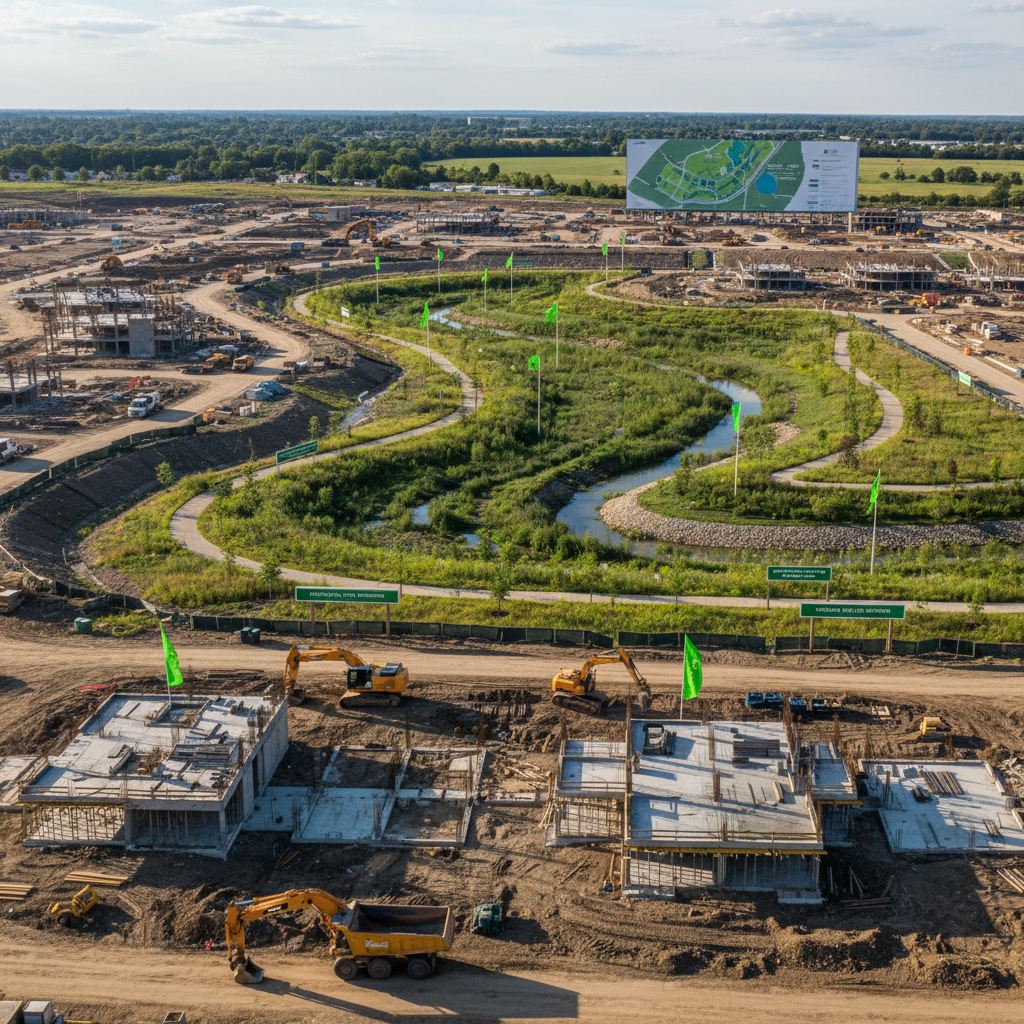
Environmental Impact Assessment
ES Biodiversity Chapter · HRA · Appropriate AssessmentFull Environmental Statement Biodiversity Chapters for EIA development, including Habitats Regulations Assessment screening and Appropriate Assessment reports for development within or adjacent to European Protected Sites.
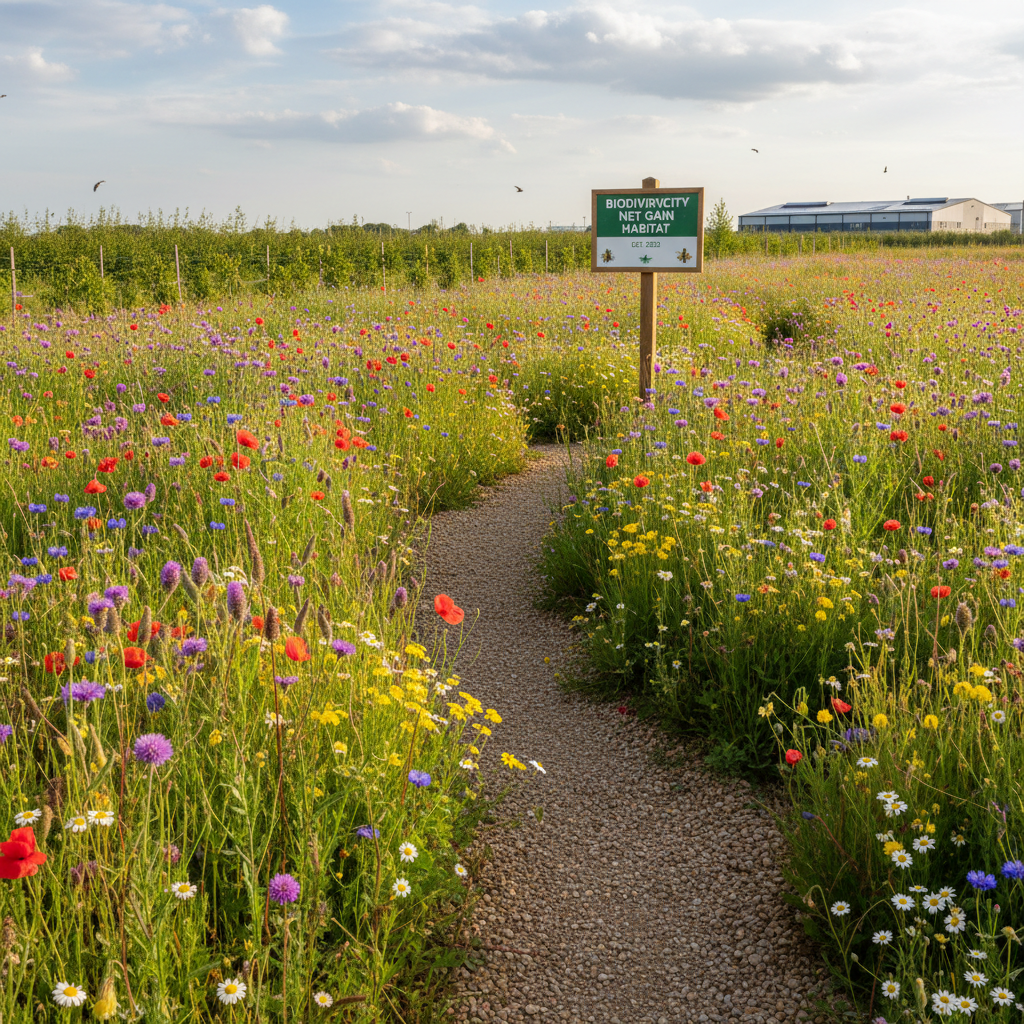
Biodiversity Net Gain
Statutory 10% BNG · Biodiversity Metric 4.0Baseline habitat surveys and BNG calculations using DEFRA Biodiversity Metric 4.0. On-site habitat enhancement design and off-site unit brokerage where on-site delivery is constrained. BNG Management Plans and monitoring programmes.
Survey Season Windows · 2026
When to survey.
Why it matters.
Miss the optimal window and the programme slips a full year. We plan survey seasons 12 months ahead so your planning timetable isn't held hostage to biology.
| Survey Type | Jan | Feb | Mar | Apr | May | Jun | Jul | Aug | Sep | Oct | Nov | Dec |
|---|---|---|---|---|---|---|---|---|---|---|---|---|
| Bats | ||||||||||||
Emergence/Re-entry SurveyChiroptera spp. | ||||||||||||
Static Detector DeploymentChiroptera spp. | ||||||||||||
| Great Crested Newt | ||||||||||||
eDNA SurveyTriturus cristatus | ||||||||||||
Torch / Egg / BottleTriturus cristatus | ||||||||||||
| Breeding Birds | ||||||||||||
BTO BBS TransectAves spp. | ||||||||||||
Nightjar SurveyCaprimulgus europaeus | ||||||||||||
| Botanical | ||||||||||||
NVC SurveyCommunity analysis | ||||||||||||
Phase 1 HabitatJNCC methodology | ||||||||||||
| Dormouse | ||||||||||||
Hair Tube / Nut SearchMuscardinus avellanarius | ||||||||||||
Windows based on Natural England guidance and BCT Good Practice Guidelines 4th ed. Optimal windows vary by region and elevation — contact us for a site-specific survey programme.